


Copper busbar has many different names like busway, bus duct, copper power bar, ground bar and neutral bar, and it is made to make power distribution easier, less expensive, and more flexible, and busbars have different designs such as solid bars, flat strips, or bars with different plating such as nickel, tin and silver. ETP copper is mostly used as it has high electrical conductivity, yet, ETP copper contains small amount of oxygen, so high requirements are needed for brazing and weldability. OFE copper is a highly pure, not deoxidized and oxygen-free copper, and it can be very well brazed and soldered and welded. Aluminum busbar is an alternative to copper busbar, offering lower cost and lighter weight. They are often used in applications where weight reduction is critical, such as in large-scale power transmission systems.
Busbar Types
Busbars are designed to distribute electrical power from incoming feed and distribute it to other devices, and they are actually used as an electrical junction where incoming and outgoing currents exchange. The type and size of the busbars will depend a lot on it's application conditions:
√ Aluminum busbars, offering lower cost and lighter weight, they are mainly used in applications where weight reduction is critical, such as in large-scale power transmission systems.
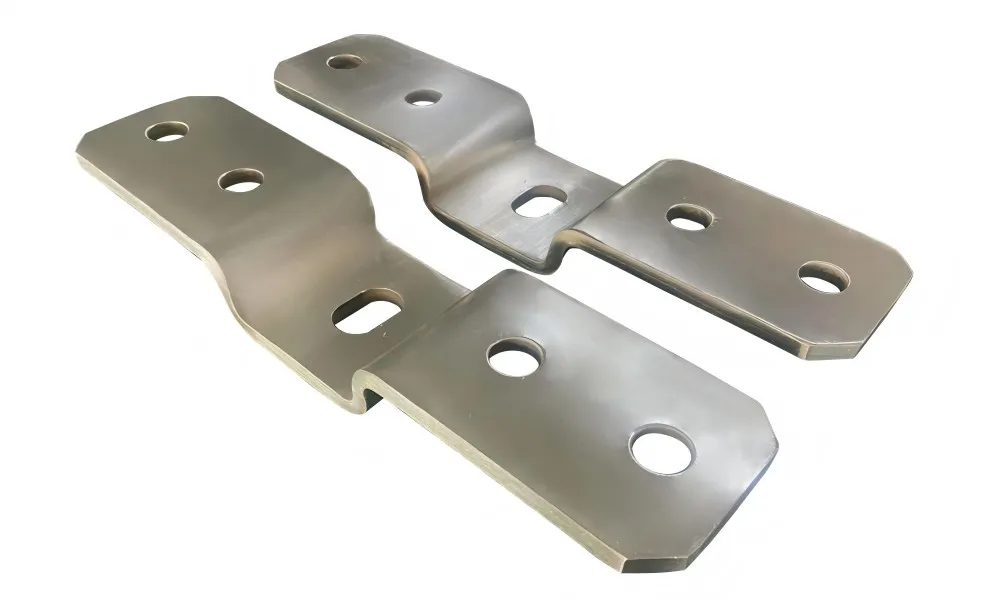
√ Flexible busbars, they are made of multiple thin copper strips or braided conductors, allowing them to bend and flex. Dut to their flexibility, they are used in electric vehicles or machinery which have constant movement or vibration.
√ Insulated busbars, carrying an insulating material covering or coating, such as Polyvinyl Chloride or epoxy, to provide electrical insulation and protect against accidental contact. Therefore, they are very often used in switchgear and panel boards.
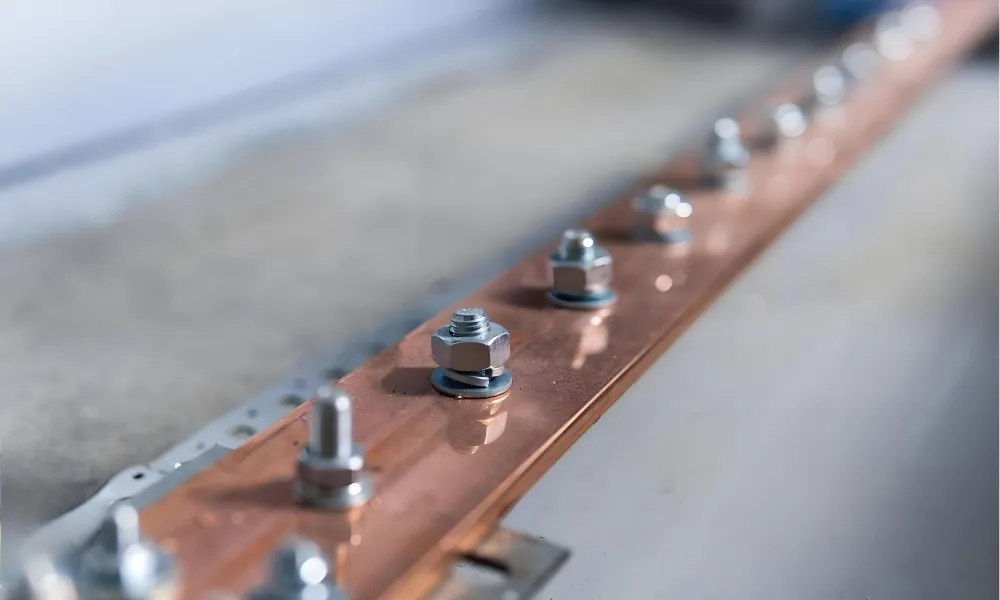
√ Comb busbars, they are designed for small distribution boards and switchgear panels used to distribute power to devices such as MCBs.
√ Copper clad aluminum busbar (CCA), also called bimetal busbar consists of a solid aluminum core with an outer layer of high-conductivity pressure-attached copper, and the copper cover has different thickness depending up its application. Fabmann supplies high quality CCA busbar according to BS 159 & ASTM B1005 standards with six different copper material thickness.
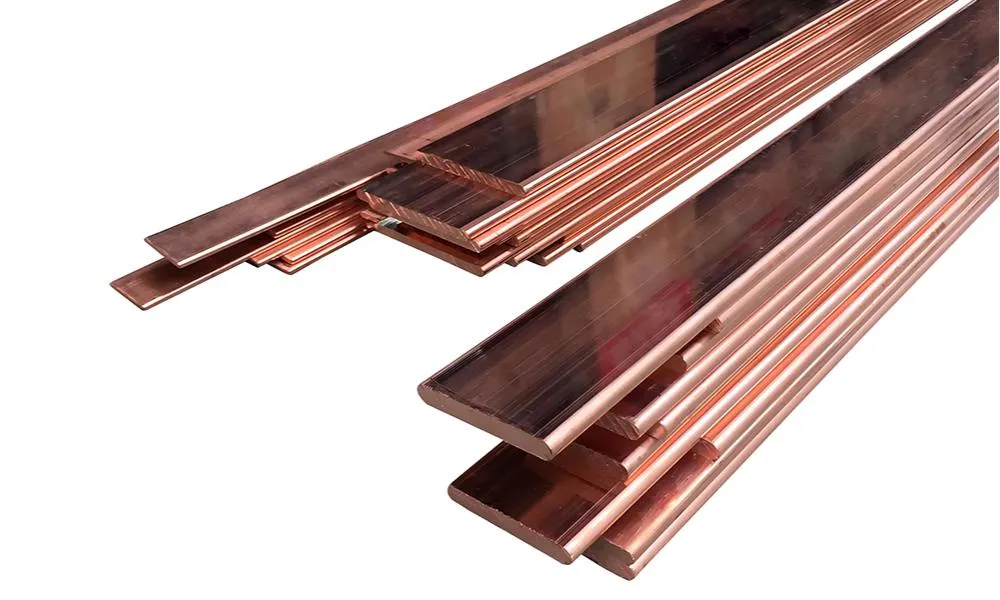
√ Solid copper busbar, Fabmann production is based upon EN13601, and it has three different shapes such as sharp corner with corner radius from 0.3mm to 1.4mm, round corner with corner radius from 0.5mm to 6mm, semi-circular with radius around 50% if the material thickness. The custom fabricated copper busbar has many subtypes as follows:
- 1. Plain copper busbar, the end user needs to do secondary fabrication such as stamping or threading.
- 2. Punched plain copper busbar
- 3. Threaded copper busbar
- 4. Busbar with fixing slot
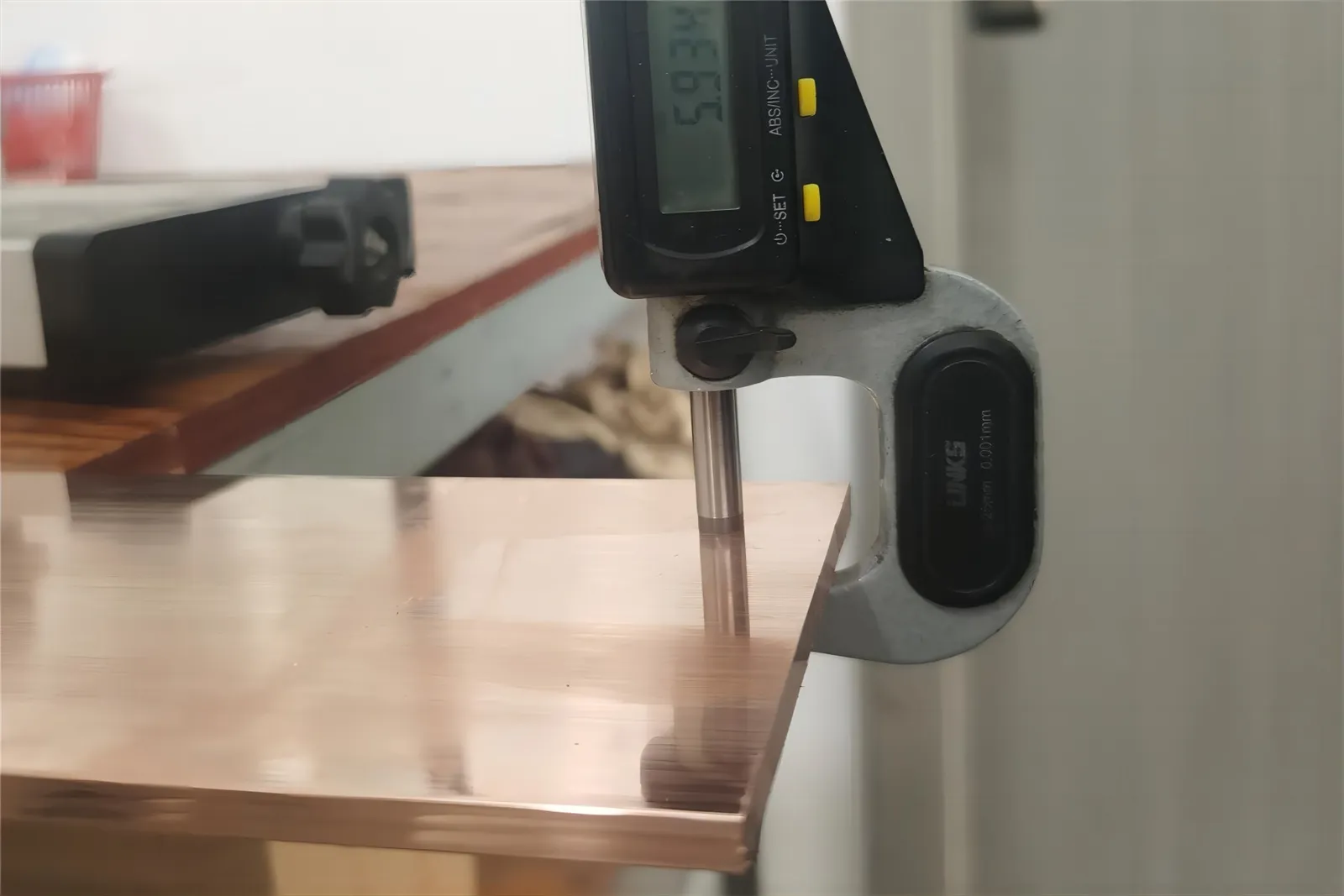
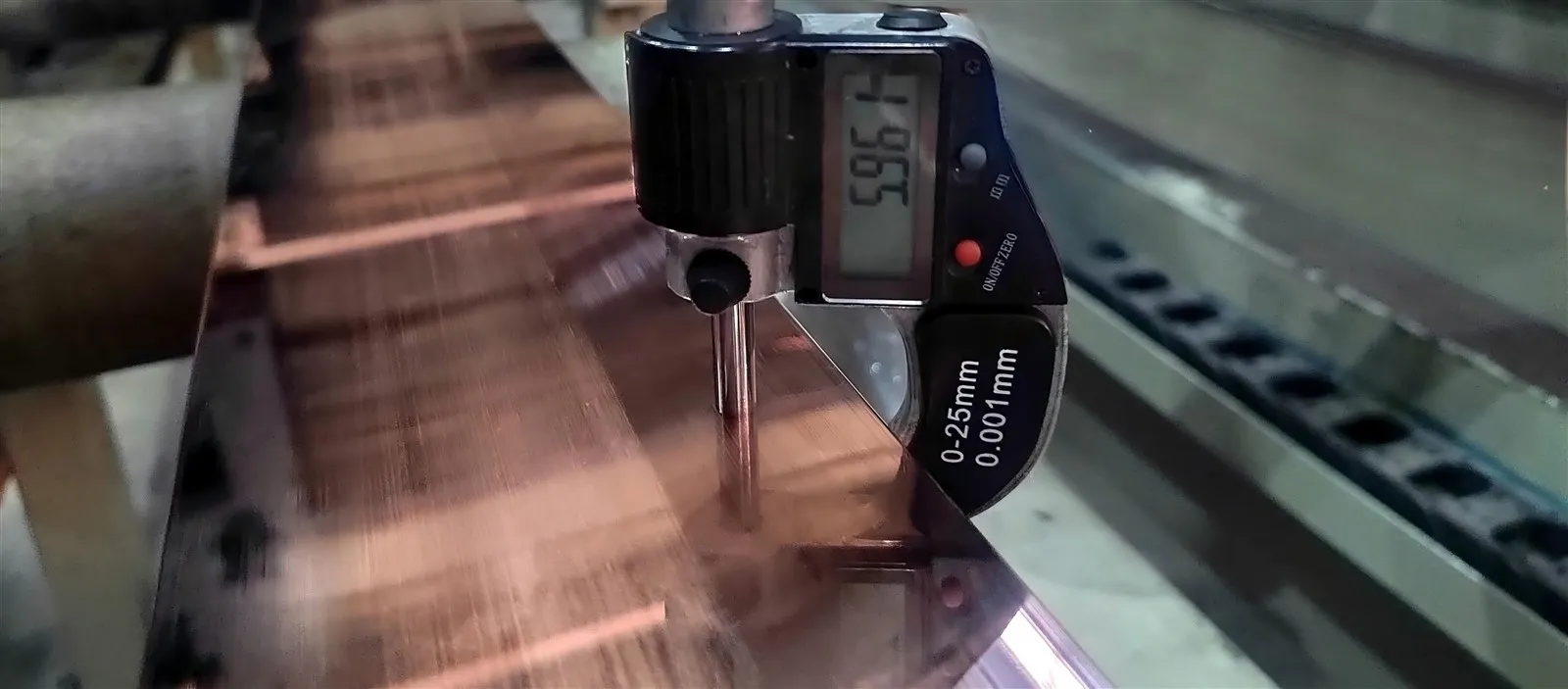
Fabmann provides custom fabrication service for making different busbars strictly based upon EN or ISO standards, and we not only focus on surface quality, section dimension and thickness tolerance, but also mechanical & electrical requirement. Each delivery has gone through strict production control processes. Below is our busbar types:




Production Process
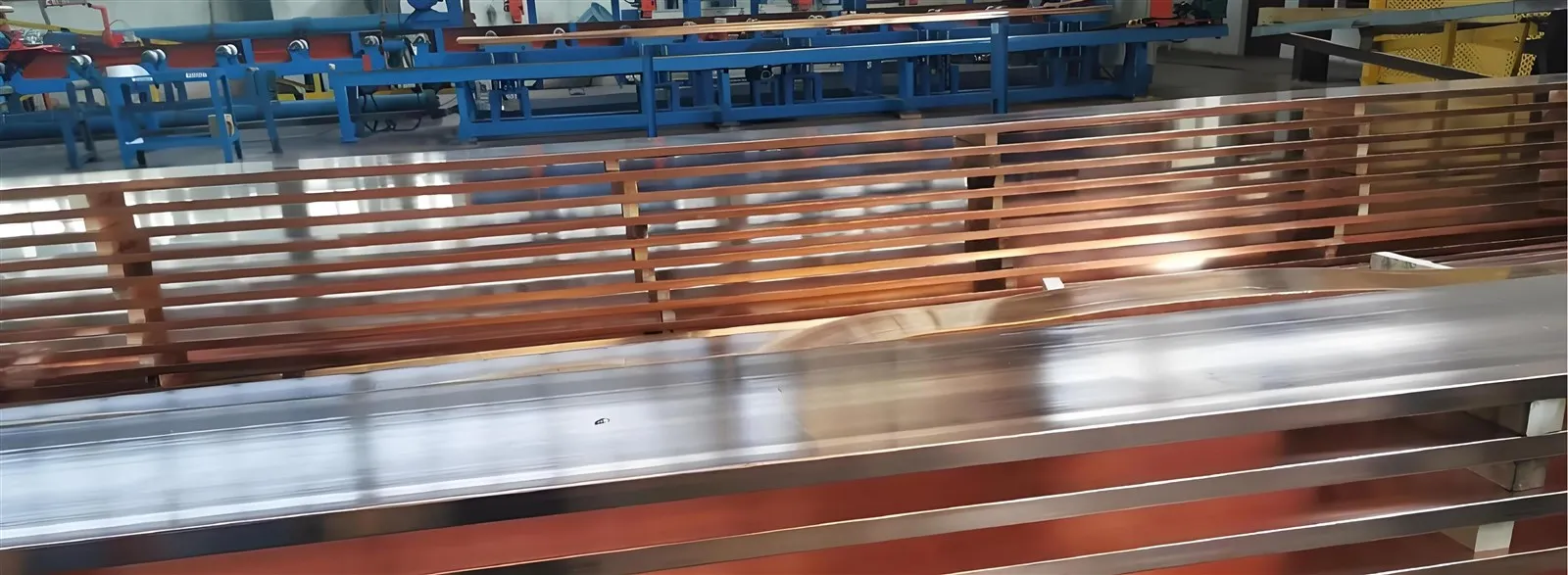
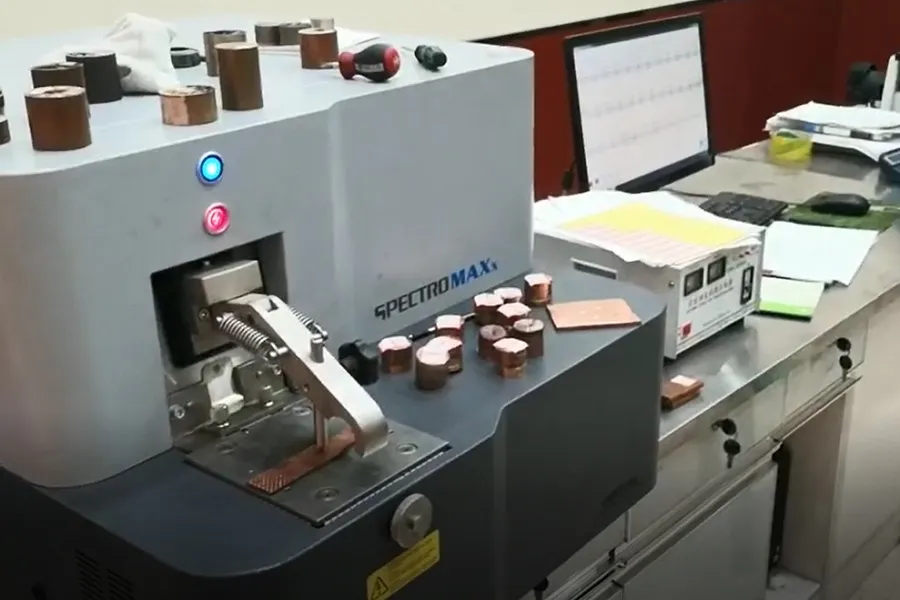
Fabmann follows strict production processes to make custom busbar for your specific requirement, and each delivery is supplied with MTC covering chemical composition, section measurements, mechanical property and electrical property, and our production normally involves following steps:
√ Cathode copper is smelted in a furnace, and the molten copper solution is covered with charcoal and graphite scales to minimize oxidation.
√ Once the copper is molten, it is then cast into rectangular or cylindrical molds to form billets or slabs.
√ The cast copper billets or slabs are reheated for extrusion of copper wire, and its size usually depends upon the busbar dimension.
√ The copper wire is then hot rolled, and this rolling process reduces the thickness and width of the copper, while increasing its length. This step might be repeated few times until the desired dimension is achieved. The hot rolling helps refine the grain structure and improve the mechanical properties of the copper material.
√ The busbar might be annealed depending upon technical requirement, and this process can relieve residual stresses and further refine the grain structure.
√ The annealed copper strips are then cut into smaller lengths based upon specification, and holes for connectors or mounting points may also be punched or drilled into the busbars at this stage.
√ Sometimes, surface treatment might be required to further enhance its performance, and the common surface treatment includes tin plating, silver plating, and nickel plating. These coatings provide corrosion resistance, improve solderability, and enhance electrical conductivity.
√ The busbars are inspected by our online QC for dimensional accuracy, surface finish, and other quality parameters.
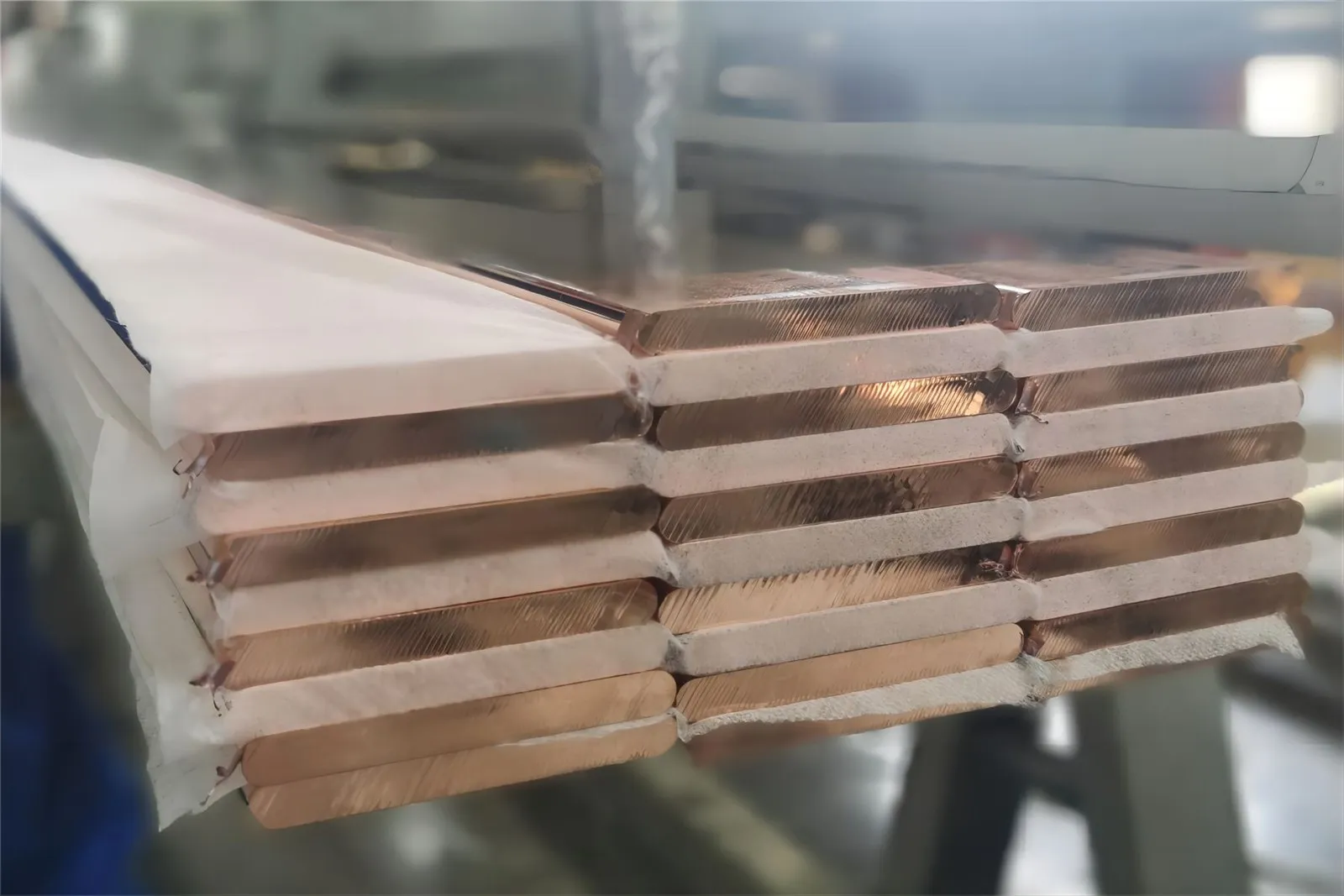
√ Once the busbars passes the quality control checks, they are packaged and prepared for shipment.


Application of Silver-Plated Busbar
Silver plated busbars have a wide range of applications, and their use is especially popular in power distribution, electronics, and telecommunications, and below is a short summary:
√ Power distribution, in power substations, distribution boards, and switchgears where they are used at a very tough aggressive environment, silver plated busbars play a pivotal role in efficiently transmitting electricity from transformers to various loads. Their high conductivity ensures minimal power loss with long lasting durability.
√ Electronics, silver plated busbars are used to connect various components and ensure reliable power distribution for electronic devices and printed circuit boards, and that's also because their excellent solderability.
√ Telecommunications, they are used for connecting and grounding components in networking equipment, ensuring a reliable flow of signals and power for telecommunications.
√ Renewable energy, they are designed to facilitate the transmission of energy from photovoltaic cells or wind turbines to inverters and the electrical grid for renewable energy applications, such as solar and wind power systems.
Plating Solution for Copper Busbar (Incl. CCA busbar)
Why busbars used in indoor switchgear are often plated? The main reason is that copper oxidizes at a more rapid rate as temperature increases, and copper oxide is a poorer conductor than pure copper. In electroplating, direct electric current passes through an electrolytic bath, and the metal ions dissolved in the electrolytic bath are deposited on to the busbar, this process can achieve a sealing coating effect. This process is often used to make busbars even more conductive meanwhile making them more corrosion-resistant. With our experience in this field, Fabmann can help to choose the correct plating solution for your specific projects. Copper busbars and CCA busbars have main three different plating options, and each has different advantage, and below is the key summary.
√ Tin-plating, this coating helps to protect the underlying copper from corrosion, improving the reliability and lifespan of the busbar, and they are mainly used for rigid electrical connections. Tin plated copper bars are an excellent choice for electrical applications because they offer a range of benefits such as corrosion resistance, improved solderability, longevity, cost-effectiveness, and versatility.
√ Nickel plating, this plating process generates a microcrystalline and smooth structure that is less porous and gives a prominent obstruction to original metals, and that's why it generates a corrosion resistance and hard-wearing coating. Plus, this coating also adds brightness and appeal. Because it provides excellent adhesion properties for subsequent coating layers, and this is why nickel is often used as an primary coat for other coatings. In practice, nickel plating is regarded as a cost-effective plating solution that can strengthen busbars and protect them from corrosion and physical damage.
√ Silver-plating, silver has extremely strong corrosion resistance, and they are often used at high contact temperatures and plants where the atmosphere has very aggressive corrosion force. Due to the nature of silver, silver-plating provides following advantages:
- 1. High conductivity, it significantly reduces resistive losses in the electrical system, ensuring more efficient power transmission.
- 2. Corrosion resistance, this coating can extend the busbar's lifespan and reliability.
- 3. Solderability, silver coating allows for easy soldering, ensuring secure and reliable connections in electronic and electrical systems.
- 4. Low maintenance, it has minimal maintenance need, making them cost-effective in the long run.
- 5. Improved aesthetics, this plating finish gives the busbars a clean, polished appearance, making them suitable for applications where aesthetics matter.
Application
Copper busbar has a wide range of applications due to their excellent electrical conductivity, thermal conductivity, and mechanical properties. Its versatility and excellent electrical properties make it a very important component in various industries where efficient power distribution and reliable electrical connections are needed. Below are the common applications :
√ Electrical power distribution such as switchgear, substations, and distribution panels because it can provide a low-resistance path for the flow of electrical current, efficiently distributing power to various electrical loads.
√ Electrical switchboards and panels, and it serves as the main conductor for connecting circuit breakers, switches, and other electrical components, ensuring reliable and efficient power distribution within buildings and industrial installations.
√ Power generation and transmission, and it's widely used in power generation plants, such as thermal power plants, hydroelectric plants, and renewable energy systems and rotor connection, and it facilitates the transmission of electric power from generators to transformers as well as other equipment.
√ Electric vehicles (EVs), it plays a crucial role in electric vehicles by providing a high-current path for the battery packs and power electronics. Its key function is to distribute power within the vehicle, connecting the battery cells, inverters, and other components.
√ Industrial machinery and equipment such as motor drives, control cabinets, and industrial automation systems, and it can provide reliable electrical connections for power supply and control signals.
√ Data centers, it is widely used in data centers to distribute power within server racks and cabinets. It can ensure efficient power delivery to servers, switches, and other networking equipment, minimizing power losses and maintaining stable operation.
√ Renewable energy systems such as solar power and wind power equipment, and it can provide efficient transmission of electricity generated by solar panels or wind turbines to inverters and grid connection points.
√ Electrical grounding, and it can provide a low-resistance path for fault currents, ensuring the safety of electrical systems and protecting against electrical hazards.
√ Rotor connection
√ Lighting system
Fabmann provides coating solution and custom production for you, and that's one of our core competencies. We also offer OEM customized support for all stages of project development for you. Therefore, we can certainly assist you in the development, conception of prototypes as well as the calculation of production run cost. If you need any assistance, please contact us, and our material and surface coating engineers will be able to help you find the right solution.
Hot Tags: copper busbar, China copper busbar manufacturers, suppliers, factory, copper alloys for plumbing systems, copper alloys for biomedical applications, Oxygen Free Copper, copper alloys for stamping applications, copper alloys for embossing applications, copper alloys for mobile phones


