

Vacuum brazing has many types like hydrogen shielded vacuum brazing, induction vacuum brazing, furnace vacuum brazing ect, and hydrogen shielded vacuum brazing is a very common method for joining materials like copper and stainless steel to make assemblies destined for high vacuum applications or UHV applications (Ultra-High Vacuum). Hydrogen vacuum brazing is designed to use hydrogen as a heating medium or shielding gas which is transported from a gas tank to a heating device for heating and combustion, generating a high-temperature flame for heating the workpiece. This heating method can achieve fast, efficient, and uniform heating, softening and melting the workpiece, and providing the necessary conditions for brazing. Meanwhile, the high permeability of hydrogen is used to quickly transfer to the brazing joint, protecting the brazing material from oxidation or contamination during the melting process, and ensuring the quality of the welded joint.
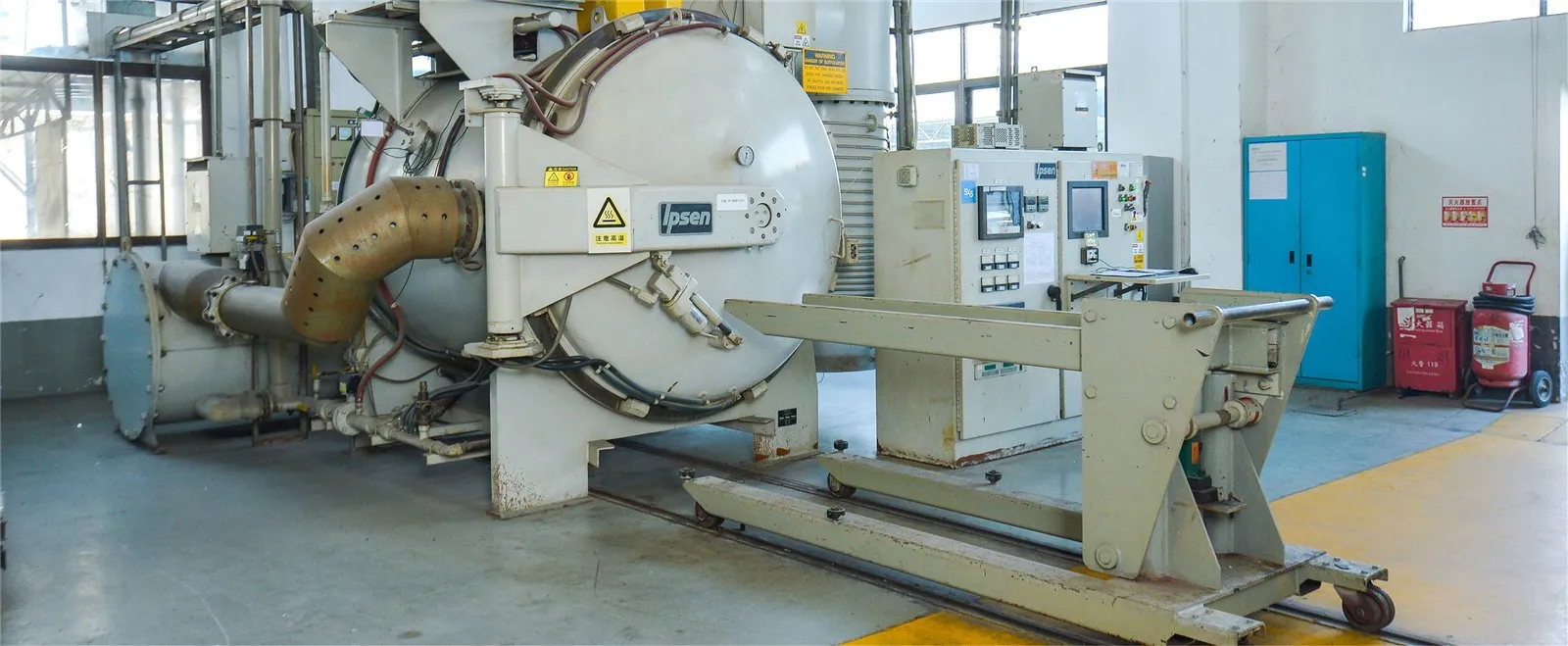
Why hydrogen shielded vacuum brazing is used for electromagnet coil?
Hydrogen shielded vacuum brazing offers a superior solution for joining magnet coils due to its ability to produce clean, high-quality, and reliable brazed joints with minimal distortion and stress. The controlled vacuum environment, precise heating, and non-contaminating atmosphere ensure the integrity and performance of the magnet coil assembly, making it the preferred choice for demanding applications in various industries, including aerospace, medical, and energy, and the benefits of hydrogen shielded vacuum brazing is listed below:
√ Clean and oxide-free joints, hydrogen acts as a protective atmosphere, hydrogen gas acts as a reducing agent, preventing the formation of oxides and ensuring clean, oxide-free brazed joints. This is crucial for magnet coils, as oxides can disrupt the magnetic field and degrade performance.
√ Vacuum environment, the absence of air in the vacuum chamber eliminates the risk of contamination and oxidation, further ensuring the cleanliness of the brazed joint.
√ Strong and durable bonds, hydrogen shielded vacuum brazing produces strong and durable brazed joints with high mechanical strength, ensuring the integrity and reliability of the magnet coil assembly.
√ Precise control of brazing, the controlled vacuum environment and precise heating allow for optimal control over the brazing process, minimizing distortion and ensuring consistent joint quality.
√ Minimal distortion and stress, due to the reduced thermal gradients, the vacuum environment and controlled heating minimize thermal gradients, reducing the risk of distortion and residual stresses in the magnet coil assembly. This is critical for maintaining the precise alignment and performance of the magnet.
√ Optimized brazing temperature, hydrogen shielded vacuum brazing often allows for lower brazing temperatures compared to conventional methods, further minimizing thermal stresses and distortion.
√ Improved electrical conductivity, because of clean joints and minimal oxidation, the clean and oxide-free brazed joints produced by hydrogen shielded vacuum brazing ensure optimal electrical conductivity, minimizing losses and maximizing the efficiency of the magnet coil. Another reason is due to the use of specialized filler metals with high electrical conductivity further enhances the overall conductivity of the brazed joint.
√ Compatibility with magnet materials, the hydrogen atmosphere and vacuum environment are compatible with various magnet materials, including copper, aluminum, and superconductors, preventing contamination and degradation.
√ Flexible Brazing temperature, hydrogen shielded vacuum brazing offers a wide range of brazing temperatures, allowing for tailoring the process to the specific requirements of different magnet materials.
√ Capability of handling dissimilar materials, hydrogen shielded vacuum brazing allows for joining dissimilar materials, such as copper to stainless steel, with minimal intermetallic formation and good joint integrity.
√ Capability of handling heat-sensitive materials, the controlled heating and cooling cycles of hydrogen shielded vacuum brazing minimize thermal stresses and distortion, making it suitable for brazing heat-sensitive materials.
Due to the fact that the melting point of the filler material is lower than that of the base material, so the filler material will not cause thermal effects on the base material, thereby ensuring the performance of the base material. Vacuum brazing is used in many fields, such as aerospace, automobile manufacturing, electronic equipment, medical equipment, etc. In the aerospace field, vacuum brazing is used to manufacture parts for aircraft and satellites, such as turbine blades, fuel pipes, heat exchangers, etc. In the automotive manufacturing field, vacuum brazing is used to manufacture automobile exhaust pipes, sensors, fuel injectors, etc. In the field of electronic equipment, vacuum brazing is used to manufacture printed circuit boards, electronic components, etc. In the field of medical devices, vacuum brazing is used to manufacture artificial joints and surgical instruments. Fabmann engineers will assist you to find the optimal vacuum brazing parameters for producing high quality magnet coils.
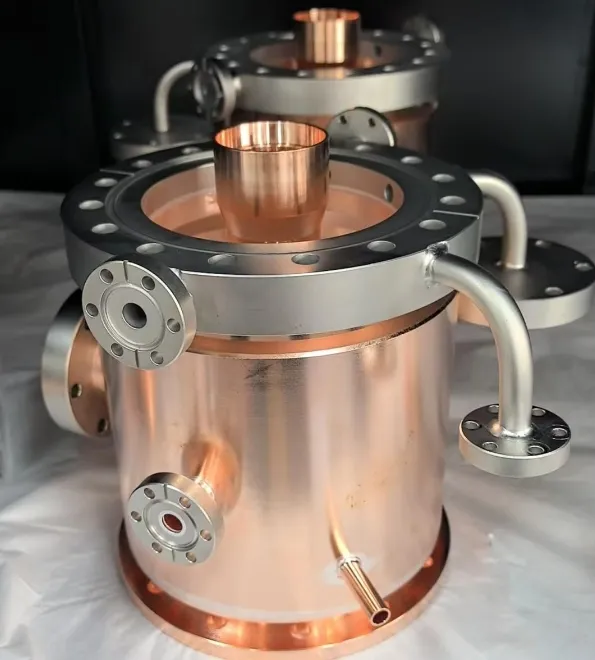
What materials are best suited for the hydrogen shielded vacuum brazing?
Hydrogen shielded vacuum brazing is a specialized brazing process that utilizes hydrogen gas as a protective atmosphere within a vacuum chamber, and it is a versatile process suitable for brazing a wide range of materials, especially those requiring high-quality, clean, and reliable joints. By carefully considering the properties of the materials and the specific application requirements, Fabmann can help you to select the most appropriate materials for optimal results. Below is a short list for metals suitable for this brazing solution:
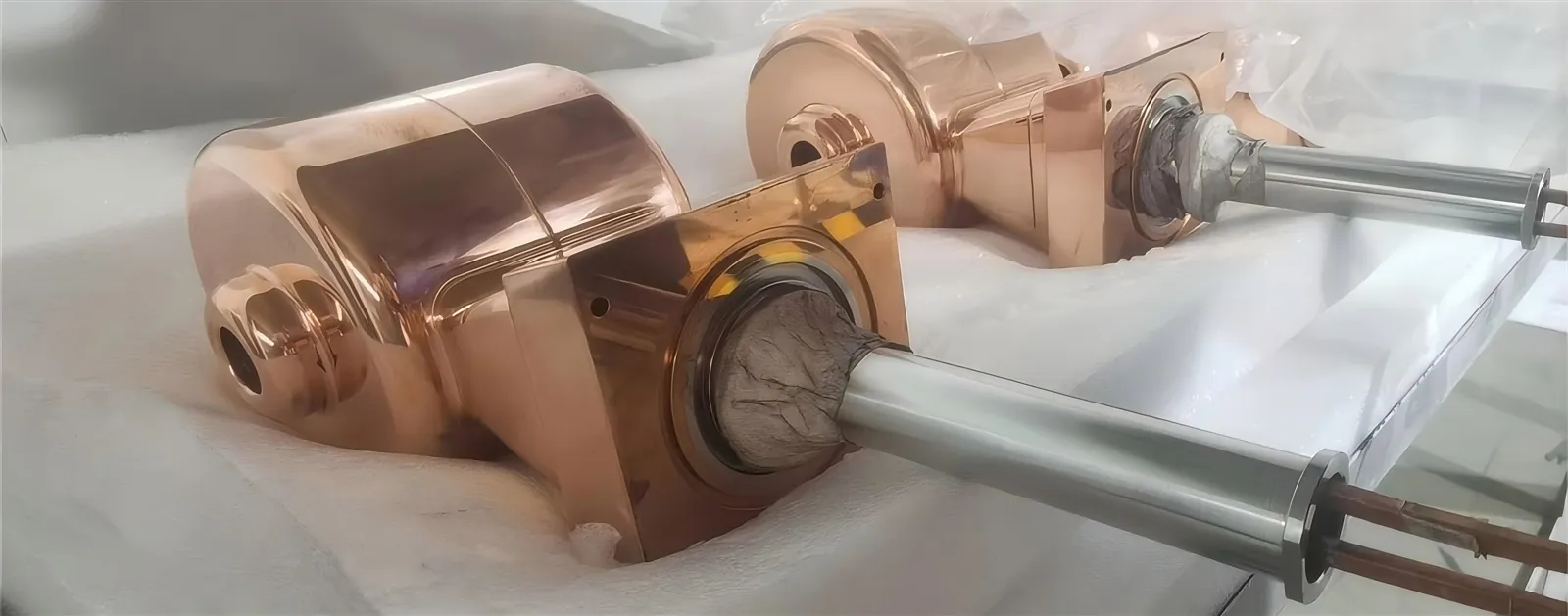
1. Stainless steel alloys, austenitic stainless steels, such as 304, 316L, and TP310MoLN, are highly compatible with hydrogen shielded vacuum brazing due to their excellent corrosion resistance, high-temperature strength, and good weldability.
2. Nickel-based alloys, nickel-based alloys, such as Inconel, Hastelloy, and Monel, are well-suited for hydrogen shielded vacuum brazing due to their exceptional corrosion resistance, high-temperature strength, and good brazing characteristics.
3. Titanium and titanium alloys, Titanium and its alloys are suitable for hydrogen shielded vacuum brazing due to their high strength-to-weight ratio, corrosion resistance, and good compatibility with the hydrogen atmosphere.
4. Precious metals, precious metals, such as gold, silver, and platinum, can be effectively brazed using hydrogen shielded vacuum brazing due to their high purity and resistance to oxidation.
5. High-conductivity materials, copper and its alloys, such as brass and bronze, are ideal for hydrogen shielded vacuum brazing due to their excellent electrical conductivity and good brazing characteristics.
6. Aluminum and its alloys can be successfully brazed using hydrogen shielded vacuum brazing, resulting in strong and leak-tight joints with good electrical conductivity.
7. Silver and its alloys offer exceptional electrical conductivity and are well-suited for hydrogen shielded vacuum brazing, especially for applications requiring high-performance electrical connections.
8. Reactive metals, such as zirconium and tantalum, require the clean and controlled environment of hydrogen shielded vacuum brazing to prevent oxidation and contamination.