

Cold drawing is a metalworking process that involves pulling a metal rod, tube or wire through a die to reduce its cross-sectional area at room temperature. This process is particularly well-suited for copper and copper alloys due to their excellent ductility and workability, and the copper tube drawing process mainly involves multiple drawings of copper tubes through a floating core head to achieve continuous diameter and wall reduction of the tube. This process has the advantages of large deformation, fast speed, high material utilization, stable process and high dimensional accuracy. During the drawing process, the grains elongate along the drawing direction to form fibrous tissue, resulting in an increase in the microhardness of the tube and a high axial hardness value. As the drawing deformation increases, the length and width of the grains along the axial direction will gradually decrease, and the texture inside the tube will also change, gradually changing from the original rolled texture to a new texture.
What are the cold drawing production types for metal tubes?
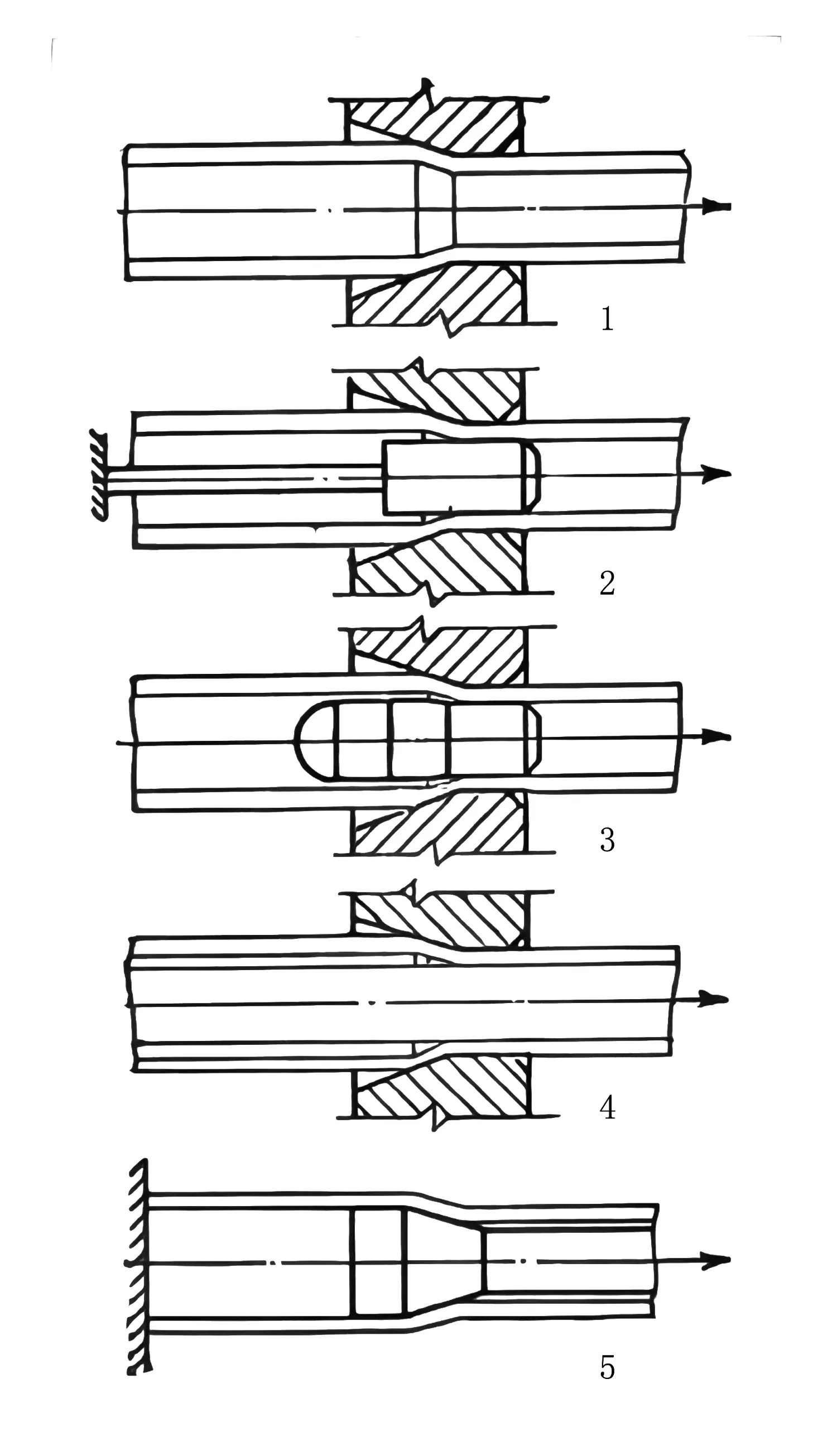
Cold drawing of metal tubes has wide different solutions, and the most common ones are listed below:
1. Drawing without mandrel, which is used to reduce only the outer diameter of the tube, and these are often used for small tubing such as rectangular copper hollow conductors.
2. Drawing with fixed short mandrel, which is used to reduce both the outer diameter and wall thickness of the tube. Since the mandrel is fixed and a fixed outer die is used, this method has large friction resistance, large drawing force, and small deformation per pass. The advantage is that the drawing method is simple, so it is widely used.
3. Drawing with floating mandrel, which is often used for tube drawing with drums and can produce very long tubes (more than 100m). The drawing force during floating mandrel drawing is small, which can increase the deformation per pass. Since there is no restriction on the pull rod, very small diameter tubes can be drawn with the mandrel. This cold drawing solution is widely used for hollow conductor with round hole.
4. Drawing with long mandrel, since the mandrel moves with the tube during tube drawing, the friction resistance on the core is basically eliminated, thereby reducing the drawing force and increasing the deformation per pass. The movement of the mandrel can also reduce the roughness of the inner surface of the tube. The disadvantage of pipe drawing with long mandrel is that it has strict requirements on the mandrel and the rod must be removed after drawing. There are two methods of removing the mandrel, one is to roll the tube and the mandrel together on the inclined rolling mill to expand the tube diameter slightly, and then pull the mandrel out on the rod puller; the other is to use a double-die drawing system to expand the tube diameter before pulling the mandrel. The latter die is an additional die. When passing through the additional die, the tube wall has only a small amount of deformation, and the tube diameter is slightly enlarged, which can reduce the rod stripping force when taking out the mandrel.
5. Diameter expansion tube drawing, the tube wall thickness is reduced, the diameter is increased, and the tube length is slightly shortened; when the diameter is expanded, the tube is fixed and the pull the rod drives the mandrel through the tube.
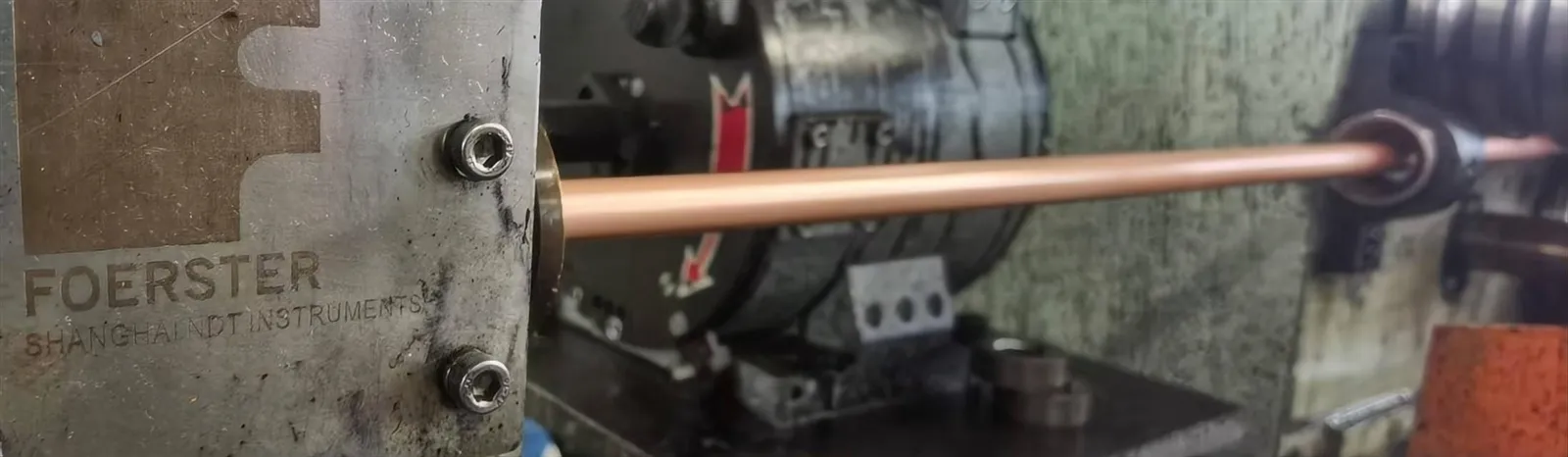
Cold Drawing vs Cold Rolling
These two cold working solutions have their own strength, and sometimes these two production solutions are combined to achieve the optimal result. For thick metal tubing like hollow conductors are produced by the combined solutions. The advantages of cold rolling are large deformation per pass, fewer processing passes, short production cycle and small metal consumption. But, cold rolling disadvantages are that tool manufacturing is difficult and it is inconvenient to change specifications. The production flexibility is poor, the equipment investment is high and the maintenance is complicated because it is a periodic rolling, the rolling time is long, the productivity is low and the energy consumption is high.
The advantages of cold drawing are high productivity, convenient specification change in production, high flexibility, simple equipment and tool manufacturing; the disadvantages are small deformation per pass, many processing passes, long production cycle and large metal consumption.
What are the disadvantages of cold drawn metal tubing?
Cold drawing has great advantages when it comes to high productivity, high flexibility and affordable equipment investment, however it does have following disadvantages:
√ Insufficient Grain Refinement, the grain size of the pipe processed by the cold drawing process will be changed, but in actual production, it is difficult to achieve uniform refinement due to factors such as drawing speed, temperature and drawing ratio. This will lead to unstable mechanical properties of the pipe and even problems such as cracks.
√ Work Hardening and Annealing, cold drawing work-hardens the copper, making it stronger but less ductile. This can be detrimental for applications requiring bending or flaring. To restore ductility, annealing is often required after cold drawing, adding further processing steps and costs.
√ Substandard Surface Quality, the cold drawing process of the pipe will have a certain impact on the surface of the pipe, often resulting in scratches, oxidation, white spots and other quality problems. This will affect subsequent processing and use, and may even make the pipe unusable. Specially, the internal surface roughness shall be monitored carefully. Compared to other manufacturing processes like extrusion, cold drawing can result in a rougher internal surface, potentially impacting fluid flow characteristics in applications like plumbing or heat exchangers.
√ High Drawing Force, it often leads to increased equipment wear and even equipment failure due to its high drawing force.
√ Residual Stresses: Cold drawing induces residual stresses in the copper tube, potentially affecting its dimensional stability and fatigue life. In certain cases, these stresses may necessitate stress relieving through heat treatment.
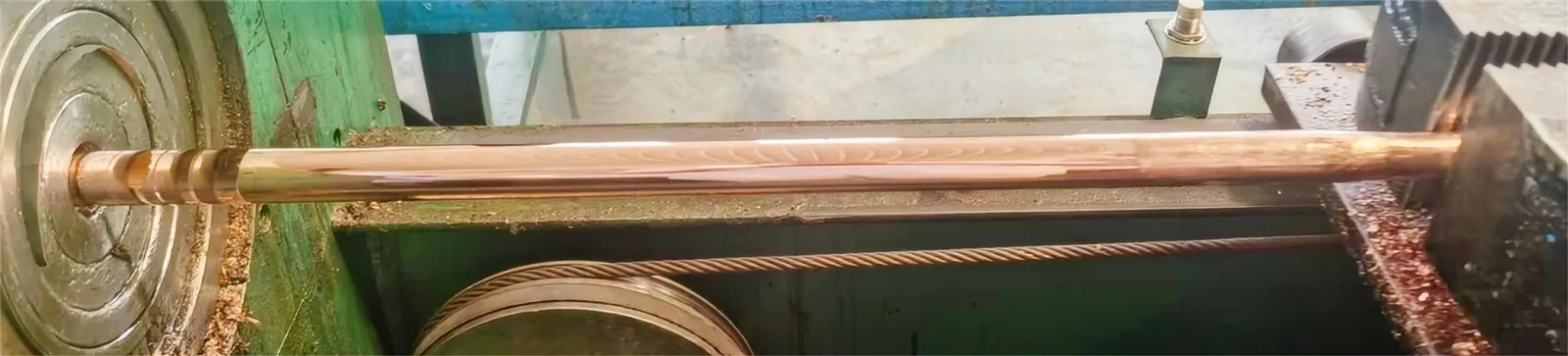
What are the benefits of cold drawing?
Cold drawing has many benefits if used properly, and below is a quick summary of its advantages:
√ Increased Strength and Hardness, it can increases the strength and hardness of copper products, making them more resistant to deformation and wear.
√ Improved Surface Finish, it can produce a smooth and consistent surface finish, eliminating the need for further finishing processes in some cases. Of course, it also require annealing and qualified lubrication oil during the cold drawing process.
√ High Dimensional Accuracy, it offers high dimensional accuracy and tighter tolerances, making it ideal for applications requiring precise dimensions.
√ Increased Material Utilization, it allows for the production of smaller diameter wires and rods, which can lead to increased material utilization and reduced waste.
Because of above mentioned benefits, the cold drawn copper products are widely used in following industries:
1. Electrical Components: wires, cables, connectors, and other electrical components.
2. Heat Exchangers: tubes, fins, and other components for heat exchangers.
3.Automotive Industry: radiators, brake lines, and other automotive parts.
4. Construction Industry: roofing sheets, flashing
5. Energy & Power Generation: Magnets
6. Medical Field: MRI scanner,
7. Security Check System
8. Electrical Vehicle
What factors might affect cold drawing quality for copper products?
Making high-quality cold drawing involves a combination of factors, including material selection, process parameters, die selection, lubrication, quality control, equipment maintenance, and operator training. Fabmann has accumulated solid experience in cold drawing working solution, and we can assist you to find the most economic way of coldworking solution for delivering high-quality cold drawn copper products that meet your requirements of various industries. Below is the key factors:
√ Annealing, copper products may require annealing after cold drawing to restore ductility and relieve internal stresses.
√ Lubrication, proper lubrication is essential during cold drawing to minimize friction and prevent surface damage. Properly designed lubrication grooves ensure adequate lubricant distribution during the drawing process.
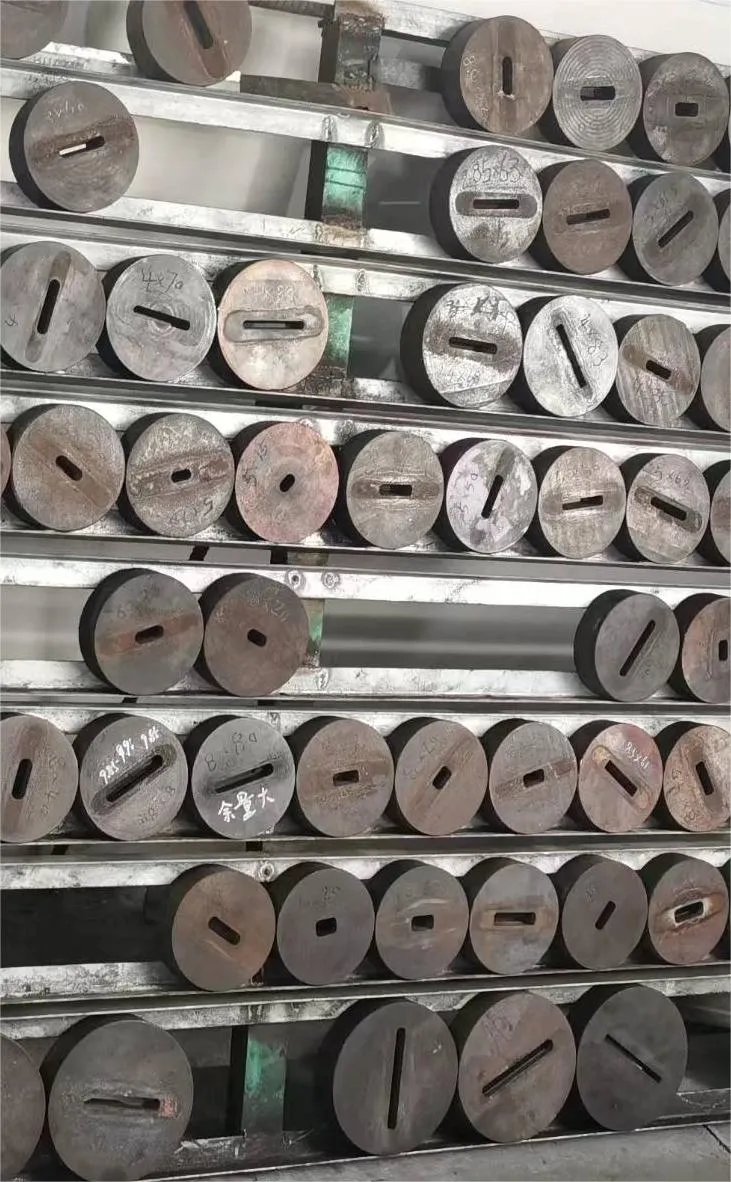
√ Die material & design, the specific die design and material will influence the final properties of the drawn product. For example, the specific copper alloy properties such as strength, ductility, and workability, will influence the die material selection and design. The die tool steel quality is essential, and therefore high-carbon, high-chromium tool steels which can offer excellent wear resistance and durability for high-volume production are often chosen. Die angle is another factor which influences the reduction per pass, surface finish, and die life.
√ Drawing speed, the speed at which the metal is drawn through the die affects the final properties and surface finish.
√ Process parameters, such as reduction per pass, the amount of reduction per pass should be carefully controlled to avoid excessive strain and surface defects.
√ Drawing speed: The drawing speed should be optimized for the specific material, die design, and lubrication conditions.
√ Equipment maintenance, regular maintenance of the drawing equipment is critical practice, and it includes dies, rollers, and lubrication systems, is essential for consistent quality and performance.
√ Calibration, calibrating measuring instruments and process control systems ensures accurate measurements and reliable results.
√ Operator training, proper training is always important. Training operators on the cold drawing process, including material handling, process parameters, and quality control procedures, is crucial for maintaining high standards.
Cold drawing is a valuable process for enhancing the properties of copper products, making them suitable for a wide range of applications. Based upon our understanding the benefits, considerations, and applications of cold drawing, Fabmann can optimize the process to achieve the desired results for you.